
The Power of One Donation: How a Small Contribution Can Change a Life
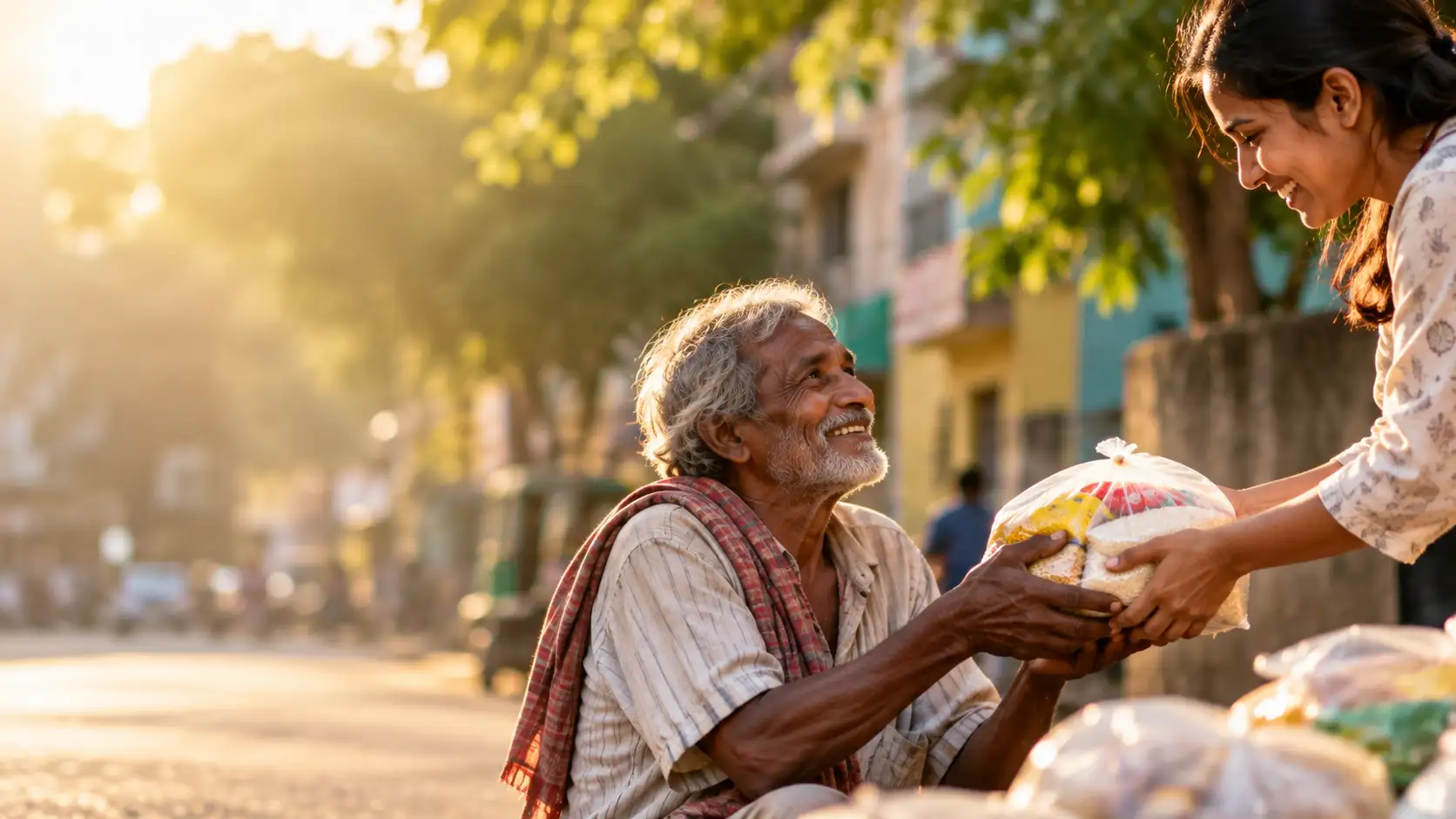
Even ₹300 can feed a child or help a family through a hard week. Here's why small donations matter in Bangalore and how to give wisely.
Think about the last time you spent ₹300 without a second thought. A coffee and a snack, maybe, or a cab ride you could have walked. It was gone in minutes.
That same ₹300 can feed a child for days. It can pay for a set of school notebooks or a few hours of care for a street dog with an infected wound. For the person on the receiving end, it can be the difference between a hard week and a manageable one.
We tend to think donating only matters if the amount is big. It doesn’t.
Why “my small amount won’t matter” is wrong
Most of us don’t give because we think our ₹200 or ₹500 is too small to count. But the organizations doing the work rarely run on a few giant cheques. They run on hundreds of ordinary people giving what they can, again and again. A school meal program, a shelter, or a free clinic doesn’t need one hero. It needs a thousand people who each decided their bit was worth giving.
Small donations also add up in a way that’s easy to underestimate. If 100 people in your apartment complex each gave ₹500 once a month, that’s ₹50,000 every month going to something real.
Why Bangalore, specifically
Bangalore is a city of contrasts, and anyone who lives here sees both sides daily. We have world-class tech campuses and some of the country’s most ambitious startups. We also have migrant families living in temporary settlements, elderly people with no one to look after them, children who study under streetlights, and strays that go hungry in the monsoon.
The city has plenty of people who can afford to give, many of them young professionals earning more than their parents ever did. What it often lacks is the habit. We’re busy, we assume someone else will handle it, and we scroll past the appeal.
Bangalore also has a real culture of volunteering and community action, from lake clean-up drives to neighborhood food drives to blood donation camps. That culture grows every time one more person decides to join in.
What one donation can actually do
Here are some examples of what a single contribution can support. Costs vary by organization, so treat these as illustrations and not fixed prices:
Food: Community kitchens and food banks can turn a small donation into multiple meals, because they buy in bulk.
Education: A donation can cover books, uniforms, or fees for a child whose family is choosing between school and rent.
Healthcare: Free clinics and patient-support groups use donations for medicines, tests, and transport to hospital.
Animals: Rescue groups rely on small gifts for vaccinations, sterilization, and emergency treatment.
Elderly care: Many older people in the city live alone, and even basic groceries and company help.
You don’t have to give money, either. Giving blood, donating clothes and books you don’t use, or spending a Sunday volunteering all count.
How to give wisely
Good intentions deserve good follow-through. A few simple checks will protect your money and help it reach people:
Verify the organization. Look for a registered trust, society, or Section 8 company, and check that it has a proper website, an office, and public contact details.
Ask for a receipt. A legitimate NGO will give you one without fuss.
Look into tax benefits. Donations to eligible institutions may qualify for a deduction under Section 80G, though this depends on the tax regime you’ve chosen. Check with your accountant or the NGO.
Be careful with street appeals and unknown links. Fraudulent collections exist. If you’re unsure, give directly to an established organization instead.
Start local. Giving to a group near you lets you see the work and trust it more easily.
Make it a habit, not a one-time mood
The most powerful giving isn’t a single emotional moment. It’s a small, regular commitment. Set aside a fixed amount each month, even ₹250 or ₹500, and treat it like any other bill. Choose one cause you care about and stick with it, so you can follow what your money does.
If you work in a team, suggest a monthly donation pool. If you have kids, let them choose where a small part of their pocket money goes. Habits spread faster than speeches do.
Start today
You don’t need to solve poverty or fix the city. You just need to take one step: pick a cause, find a trustworthy organization in Bangalore, and give what feels comfortable. Then tell one friend you did it.
One donation won’t change everything. It might change everything for one person, and that’s a very good place to begin.
Comments
No comments yet — be the first to leave one.